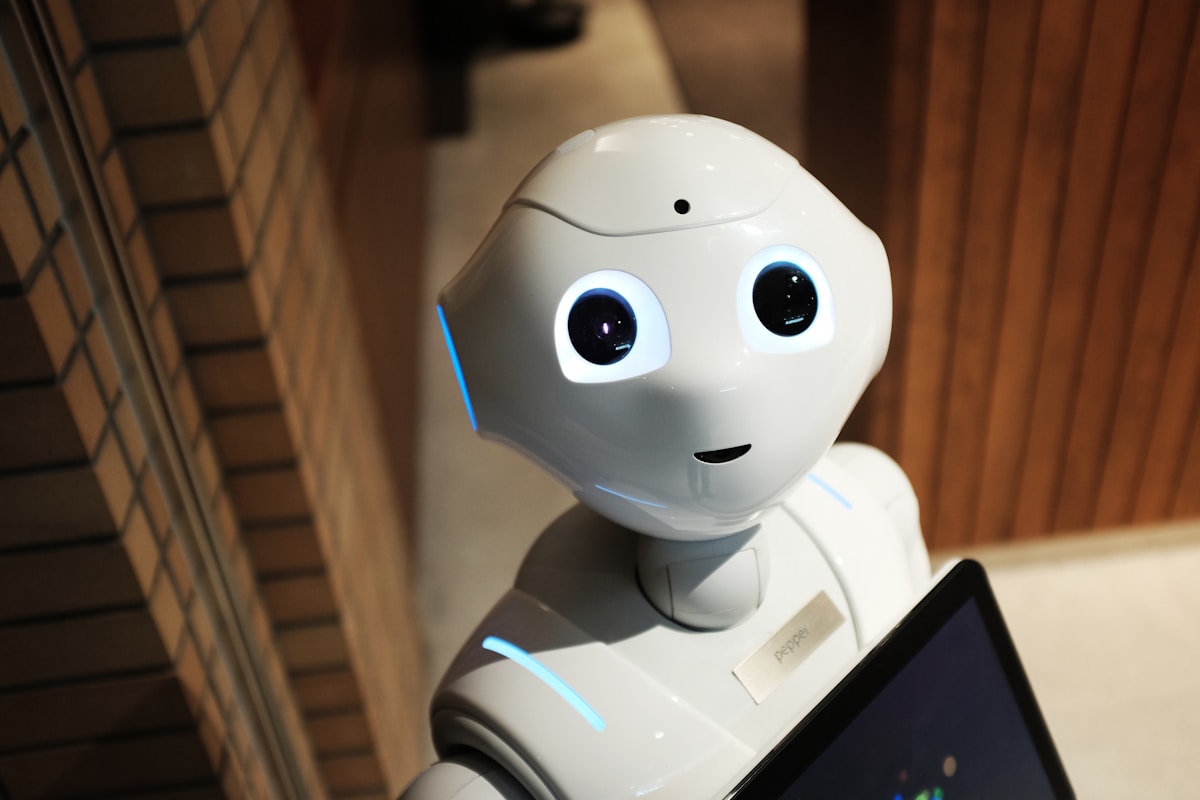
What Is Physical AI?
For most of AI's recent history, the technology has lived in the digital realm: processing text, generating images, analysing data, and powering chatbots. Physical AI marks a fundamental expansion of this capability. These are systems that can sense their physical environment, process visual and spatial information, make real-time decisions, and take concrete actions in the real world.
Physical AI combines advances in computer vision, sensor technology, robotics, and machine learning to create systems that interact with the physical world as naturally as digital AI interacts with data. The result is technology that can see, touch, move, and respond to the complexities of real-world environments.
From Warehouses to Operating Theatres
The applications of physical AI are already remarkably diverse. In warehouses across the world, autonomous robots navigate complex layouts, pick and sort items, and manage inventory with precision that matches or exceeds human workers. These are not the rigid, pre-programmed industrial robots of previous decades; they adapt in real time, learning to handle new items and navigate changing environments.
In healthcare, surgical assistants powered by physical AI provide surgeons with enhanced precision, real-time imaging analysis, and steady-handed instrument control during complex procedures. Delivery drones are navigating urban environments, avoiding obstacles, and completing last-mile deliveries. Smart traffic systems are using AI-powered sensors and cameras to optimise traffic flow, reduce congestion, and improve road safety in cities around the globe.

The Quantum Computing Milestone
Adding fuel to this transformation is a landmark achievement in quantum computing. In 2026, IBM reached a milestone that researchers have been working toward for decades: the first quantum computer that demonstrably outperforms classical computers on a commercially relevant problem. While quantum computing is still in its early stages for mainstream business use, this breakthrough signals that the computational ceiling for AI is about to rise dramatically.
For physical AI, quantum computing promises the ability to process the enormous volumes of real-time sensor data required for truly autonomous systems. The combination of quantum processing power and physical AI could unlock capabilities that are currently impossible, from real-time molecular simulation for drug discovery to instantaneous optimisation of global supply chains.
Robotics Renaissance: Bridging Two Worlds
The robotics industry is experiencing what many analysts are calling a renaissance. Investment in robotics startups reached record levels in 2025, and 2026 is on track to surpass those figures. What is driving this surge is not just better hardware but the convergence of capable AI models with increasingly sophisticated physical platforms.
Modern robots are no longer limited to repetitive tasks on factory floors. They can understand natural language instructions, recognise objects they have never seen before, and adapt their behaviour based on context. A warehouse robot can receive a verbal instruction to "find and bring the blue box from aisle seven" and execute the task without any pre-programming specific to that request.
"Physical AI represents the moment when artificial intelligence stops being something we interact with through a screen and becomes something that works alongside us in the real world."
Impact on Australian SMBs
While autonomous robots and quantum computers might sound like technology reserved for large corporations, the ripple effects are already reaching small and medium businesses across Australia. Here are the areas where Melbourne SMBs are beginning to see practical benefits:
- Automated Warehousing: Smaller-scale robotic systems are now available at price points accessible to SMBs. Businesses with warehouse operations can deploy automated picking, packing, and sorting systems that dramatically increase throughput while reducing errors.
- Quality Inspection: Computer vision systems can inspect products on production lines, identify defects, and maintain quality standards with consistency that human inspection cannot match, all running on affordable camera hardware and edge computing devices.
- Predictive Maintenance: AI-powered sensors attached to machinery can predict equipment failures before they happen, preventing costly downtime. For manufacturing and trades businesses, this translates directly to reduced repair costs and improved reliability.
- Computer Vision for Retail: Smart camera systems can analyse foot traffic patterns, monitor shelf inventory, track customer behaviour, and prevent theft, providing insights that were previously available only to major retail chains.
- Logistics Optimisation: AI systems that understand physical space and movement are optimising delivery routes, warehouse layouts, and supply chain operations for businesses of all sizes.
Computer Vision: The Most Accessible Entry Point
For most SMBs, computer vision represents the most immediately practical application of physical AI. Modern computer vision systems can be deployed using standard security cameras or inexpensive dedicated hardware, making them accessible to businesses without large technology budgets.
A Melbourne manufacturer can use computer vision to inspect products as they come off the line. A retailer can analyse customer movement patterns to optimise store layout. A logistics company can automate package sorting and verification. These are not futuristic concepts; they are deployable today with proven technology and measurable returns.
The Future Outlook and How to Stay Prepared
Physical AI is advancing at a pace that will continue to create new opportunities for businesses willing to adapt. Here is how Melbourne SMBs can position themselves to benefit:
- Identify physical bottlenecks: Look at your operations for tasks that involve repetitive physical work, visual inspection, or logistics coordination. These are prime candidates for physical AI enhancement.
- Start with computer vision: It is the most mature and cost-effective entry point into physical AI. Even a simple camera-based monitoring system can provide immediate value.
- Plan for integration: Physical AI delivers the most value when connected to your digital systems. Ensure your inventory management, CRM, and operational systems can receive and act on data from physical AI sensors.
- Stay informed on Australian regulations: As physical AI becomes more prevalent, regulations around autonomous systems, workplace safety, and data collection will evolve. Stay ahead of compliance requirements.
- Partner with specialists: The intersection of AI and physical systems requires expertise in both domains. Work with a team that understands how to bridge the digital and physical worlds for your specific business context.
The convergence of digital intelligence and physical capability is one of the defining technology trends of 2026. For Australian SMBs, it presents an opportunity to automate, optimise, and innovate in ways that were previously the exclusive domain of large enterprises. The businesses that begin exploring physical AI now will be best positioned to benefit as the technology continues to mature.